
A tailored design
Customised photovoltaic solutions: the system is sized to your consumption, your roof and the way you use energy.
From the initial design to commissioning
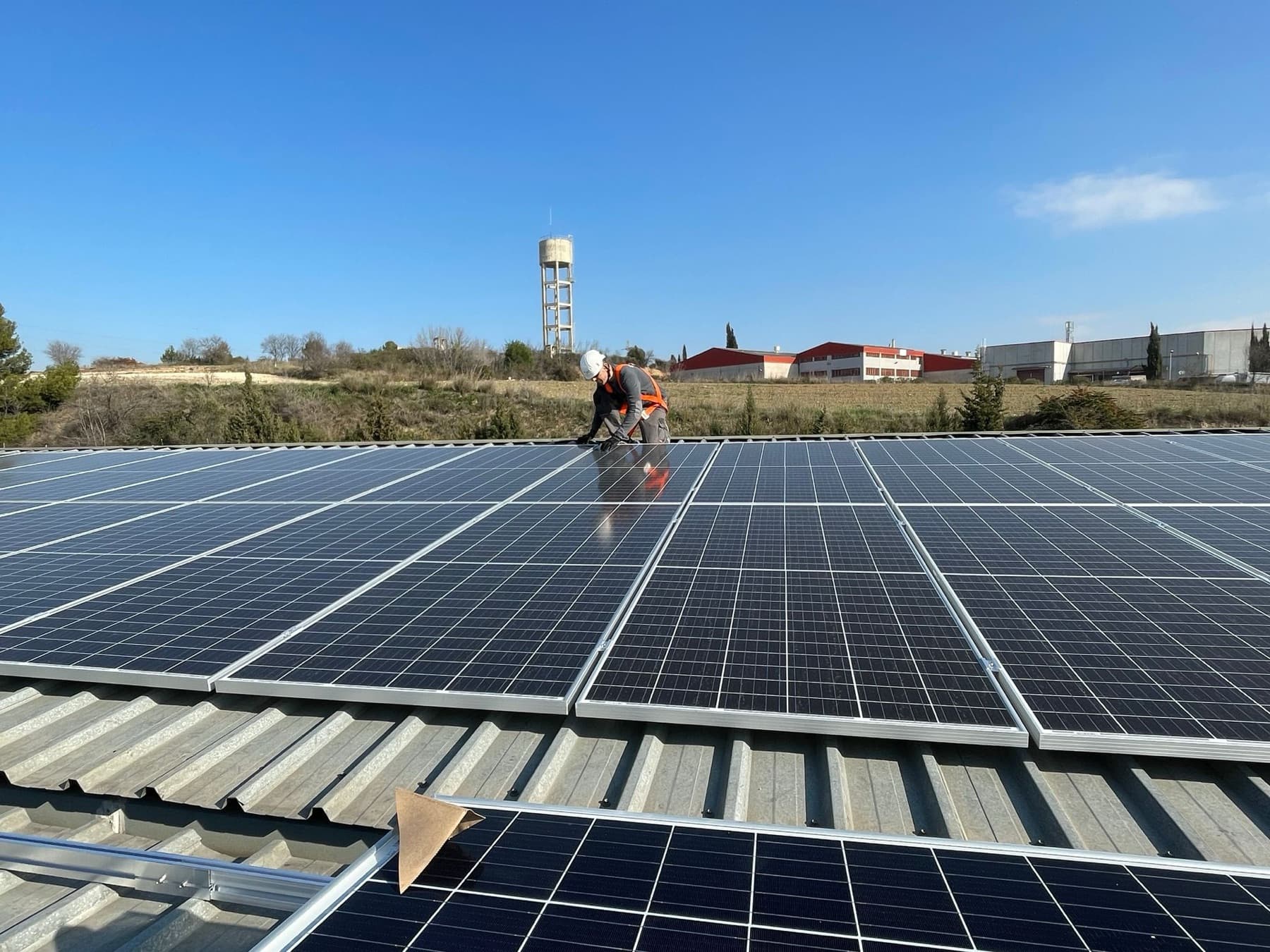

Solar photovoltaic energy · Homes and businesses
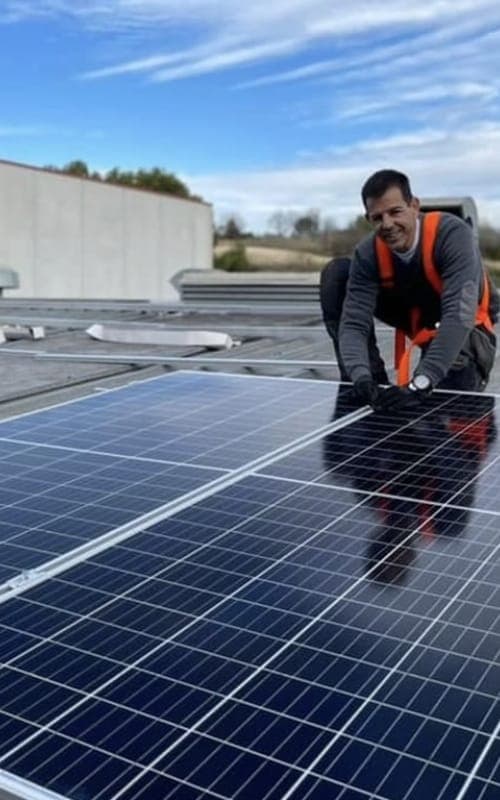
We design, install and maintain solar panel installations for homes and businesses, together with Project Difusión: from the initial design to commissioning and after-sales service.
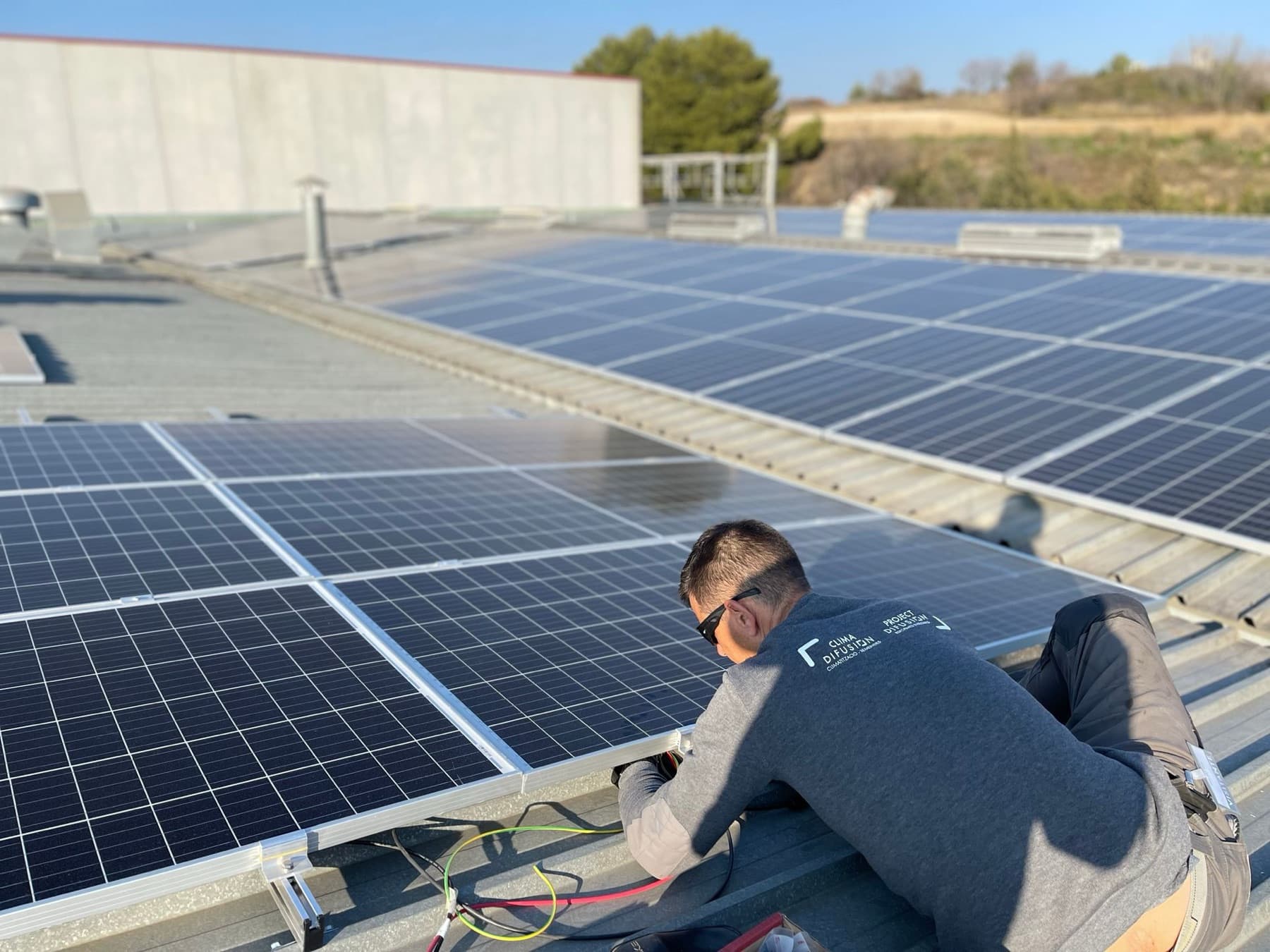
Clima Difusión
At Clima Difusión, together with Project Difusión, we specialise in the design, installation and maintenance of photovoltaic systems. From the initial design to commissioning and after-sales service, we handle the whole process so that the installation performs as it should and fits each client's needs.
We install solar panels in Barcelona in both homes and businesses, shops and industrial buildings, so that you generate your own electricity, buy less energy from the grid and make the most of a clean source that our climate lets you use for many hours a year.
With more than 30 years in heating, cooling and fireplaces, we see photovoltaics as one more part of the home's installations: air conditioning, underfloor heating with a heat pump or any electrical appliance can run largely on the energy from your roof.
Quick answer
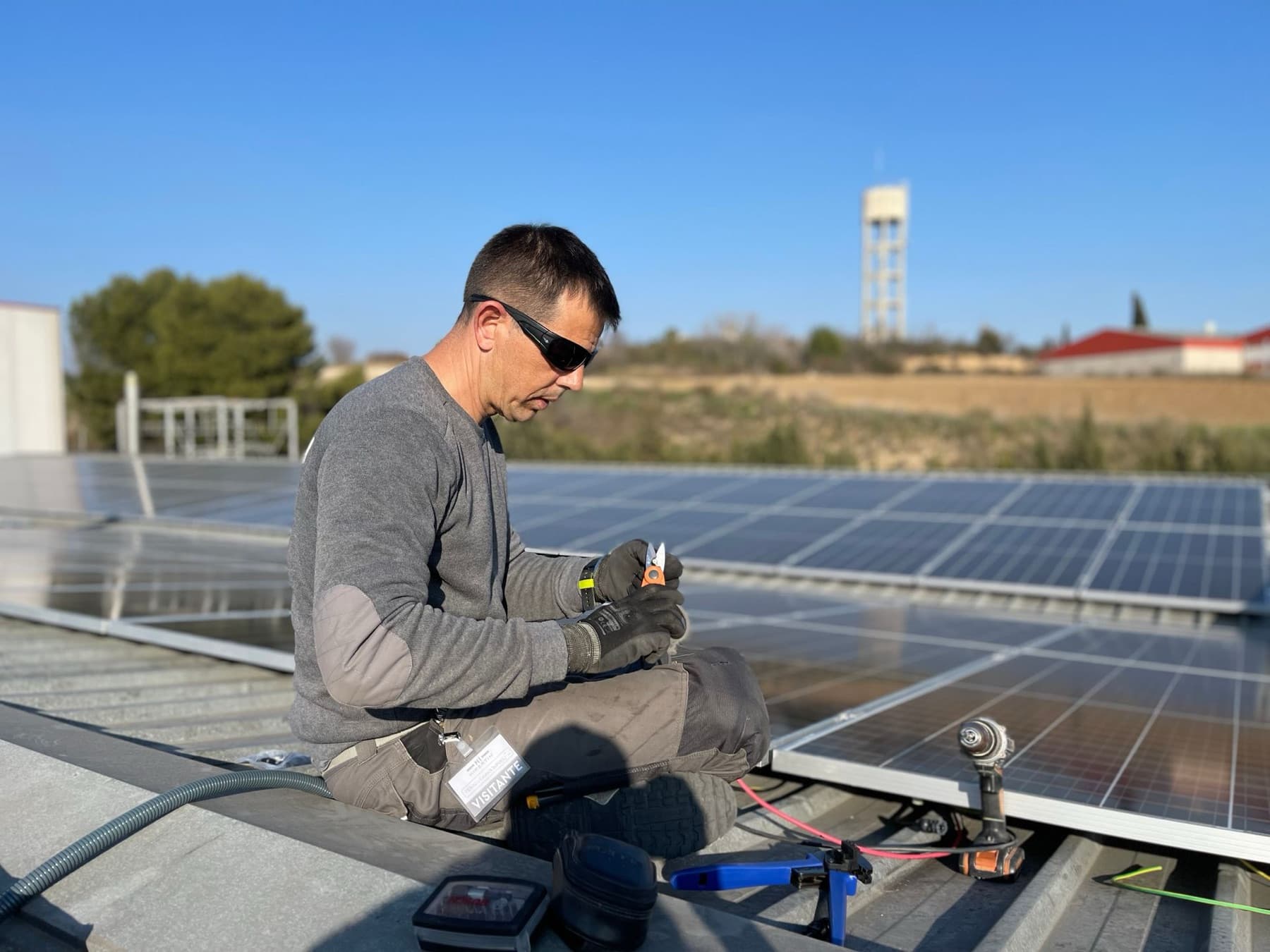
A photovoltaic installation includes the survey and design, the panels and their mounting structure, the inverter, the wiring and protection devices, registration as self-consumption and commissioning. At Clima Difusión, together with Project Difusión, we design, install and maintain them for homes and businesses, with after-sales service and maintenance contracts.
Updated: October 2026
| Service | Design, installation, commissioning and maintenance |
|---|---|
| Team | Clima Difusión, together with Project Difusión |
| Who it is for | Homes, shops, offices and industrial buildings |
| What it produces | Electricity for your own use (self-consumption) |
| Surplus energy | Exported to the grid and credited on your bill, or stored in batteries |
| Maintenance | Preventive and corrective, with tailored contracts |
| Grants | Depending on the current calls from IDAE, ICAEN and your town council |
| Experience | More than 30 years in heating, cooling and fireplaces |
| Quote | No obligation, based on consumption, roof and system size |
Why Clima Difusión
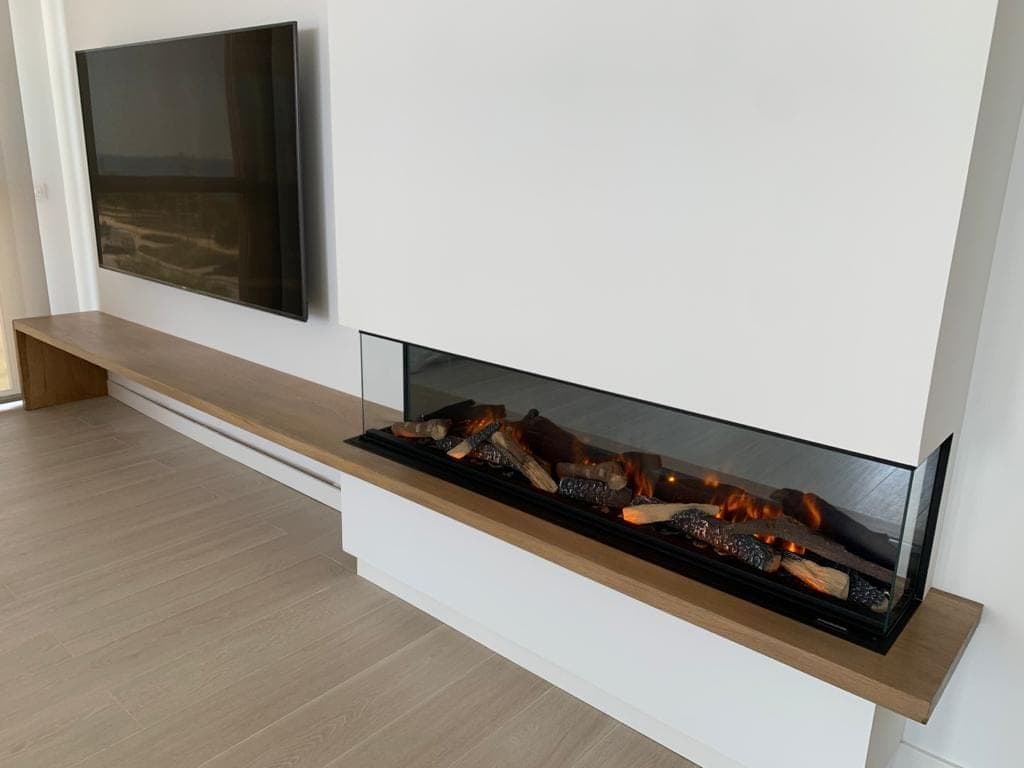
Customised photovoltaic solutions: the system is sized to your consumption, your roof and the way you use energy.
From the initial design to commissioning
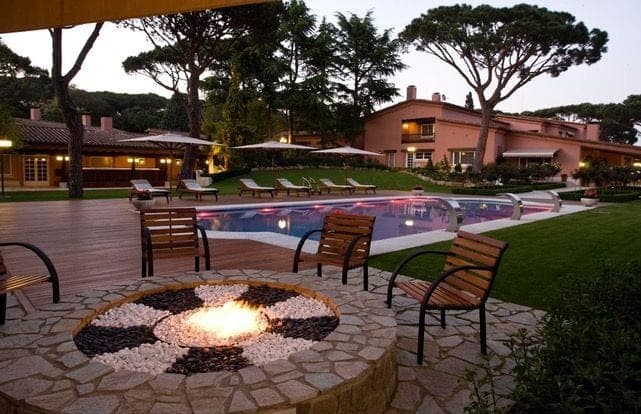
We take care of the whole process: mounting structure and panels, inverter, wiring and protection devices, and starting up the system.
Together with Project Difusión
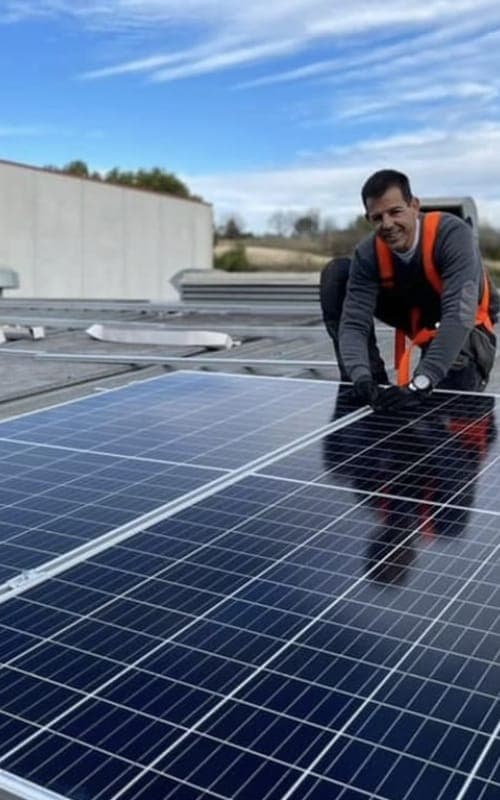
We help homes generate their own electricity efficiently, with a complete installation and maintenance service.
Self-consumption for homes
In the commercial and industrial sector, installations that make better use of energy and cut operating costs.
Shops, offices and industrial buildings
Our team checks the installation to keep it efficient and extend its working life, in homes and businesses alike.
Tailored maintenance contracts
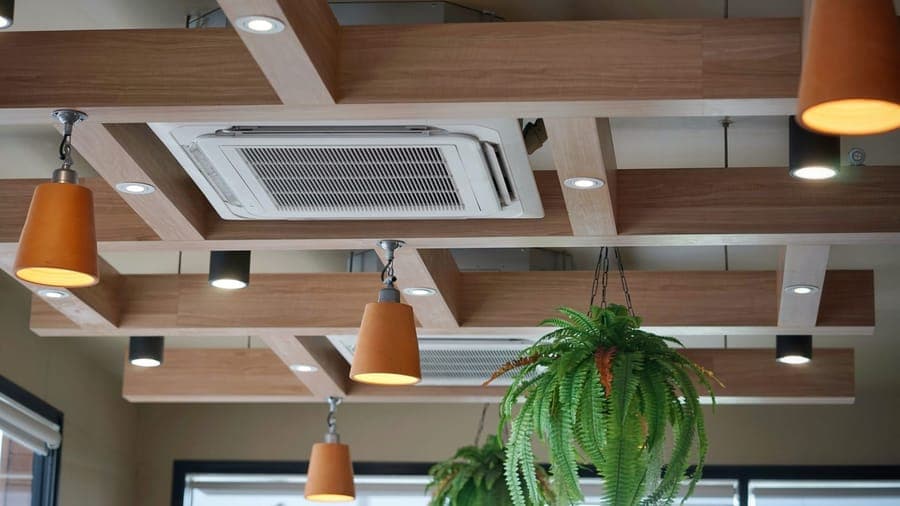
Because we also install air conditioning and underfloor heating, we plan photovoltaics together with the appliances that use the most energy at home.
Air conditioning and underfloor heating
How it works
Photovoltaic solar panels turn sunlight into direct-current electricity. An inverter converts it into alternating current, the same kind your appliances use, and feeds it into the home's or the business's consumer unit.
That energy is used the moment it is produced. When the panels generate more than you use, the surplus can be exported to the grid —and credited on your bill through surplus compensation— or stored in batteries for when there is no sun. When they do not produce enough, at night or on very overcast days, the building simply keeps drawing electricity from the grid as usual.
That is why a well-sized installation does not aim to produce as much as possible, but to match production to your consumption: the more of your usage that falls in daylight hours, the more of what you generate you put to use.
Solar panels. Turn sunlight into direct-current electricity.
Inverter. Converts direct current into alternating current and manages the system.
Home or business consumption. What is produced is used straight away.
Batteries (optional). Store the surplus for the night.
Electricity grid. Takes the surplus and supplies energy when the panels fall short.
Panel types
Three different technologies are grouped under the name «solar panels». Only photovoltaic panels produce electricity; solar thermal and thermodynamic panels produce heat, mainly for hot water.
They generate electricity from sunlight. The energy is used the moment it is produced and any surplus can be exported to the grid or stored in batteries.
They are the panels installed for self-consumption in homes and businesses, and the ones that can power air conditioning, a heat pump or any electrical appliance.
They use the sun's heat to warm a fluid that passes that energy on to the water in a storage cylinder. They are mainly used for domestic hot water and to support space heating.
They are ideal for buildings that get direct sunlight consistently, because they depend on solar radiation.
They work like a heat pump: a refrigerant flows through the panel, absorbs energy from its surroundings and a compressor transfers it to the water in a storage cylinder.
They produce hot water, not electricity. Because they do not rely only on direct light, they keep working under cloud or at night, although the compressor uses some electricity.
| Feature | Photovoltaic | Solar thermal | Thermodynamic |
|---|---|---|---|
| What they produce | Electricity | Heat (hot water) | Heat (hot water) |
| How they work | Cells that turn light into electricity | A fluid warmed by the sun | Heat-pump cycle with refrigerant and compressor |
| Direct sun | Produce with daylight; less under cloud | Need it to perform well | Not needed: they work at night or under cloud |
| Main use | Electricity self-consumption for the home or business | Hot water and heating support | Domestic hot water |
| Own energy use | Minimal: the inverter's | Minimal: the circulation pump, if there is one | The compressor's |
| Pair well with | Air conditioning, heat pumps and batteries | A back-up boiler or cylinder | A hot water cylinder |
Homes and businesses
We offer customised photovoltaic solutions for homes as well as for the commercial and industrial sector. The goal is the same —producing your own electricity and relying less on the grid—, but every case calls for a different design.
We help homes generate their own electricity efficiently: the installation uses solar energy to reduce energy costs and the carbon footprint, and we support you with installation and maintenance so the panels perform at their best throughout their working life.
In a detached house, the roof usually leaves room to size the system to the household's consumption. In a flat, the usual route is collective self-consumption on the building's roof, with the agreement of the residents' association.
In the commercial and industrial sector we install photovoltaic systems that make better use of energy and cut operating costs. Many businesses use most of their energy during the day, just when the panels are producing, which means more of what they generate is put to use.
For companies we also offer specialised maintenance contracts, which keep the installation running properly and efficiently over the long term.
Self-consumption
Before installing solar panels you need to decide what happens to the energy you do not use at the time. There are three common ways to approach it, and they can be combined.
| Mode | What happens to the surplus | When it fits |
|---|---|---|
| Zero export | An export-limiting device stops surplus energy going out to the grid | Very steady daytime consumption and simpler paperwork |
| Export with compensation | The surplus goes to the grid and is credited on your electricity bill | Homes and businesses that do not use everything they produce |
| With batteries | It is stored in batteries to use at night or when there is no sun | When a large share of consumption is at night |
A complete installation
Photovoltaics pay off most when they power the appliances that use the most energy. That is why we plan them together with the rest of the home's heating and cooling.
With an air-source heat pump, solar panels can cover part of the electricity used by the heat pump that provides heating, hot water and, if it is reversible, cooling. Is it worth it? It depends on how much the heat pump uses during daylight hours and on the size of the installation, so we look at it with your figures.
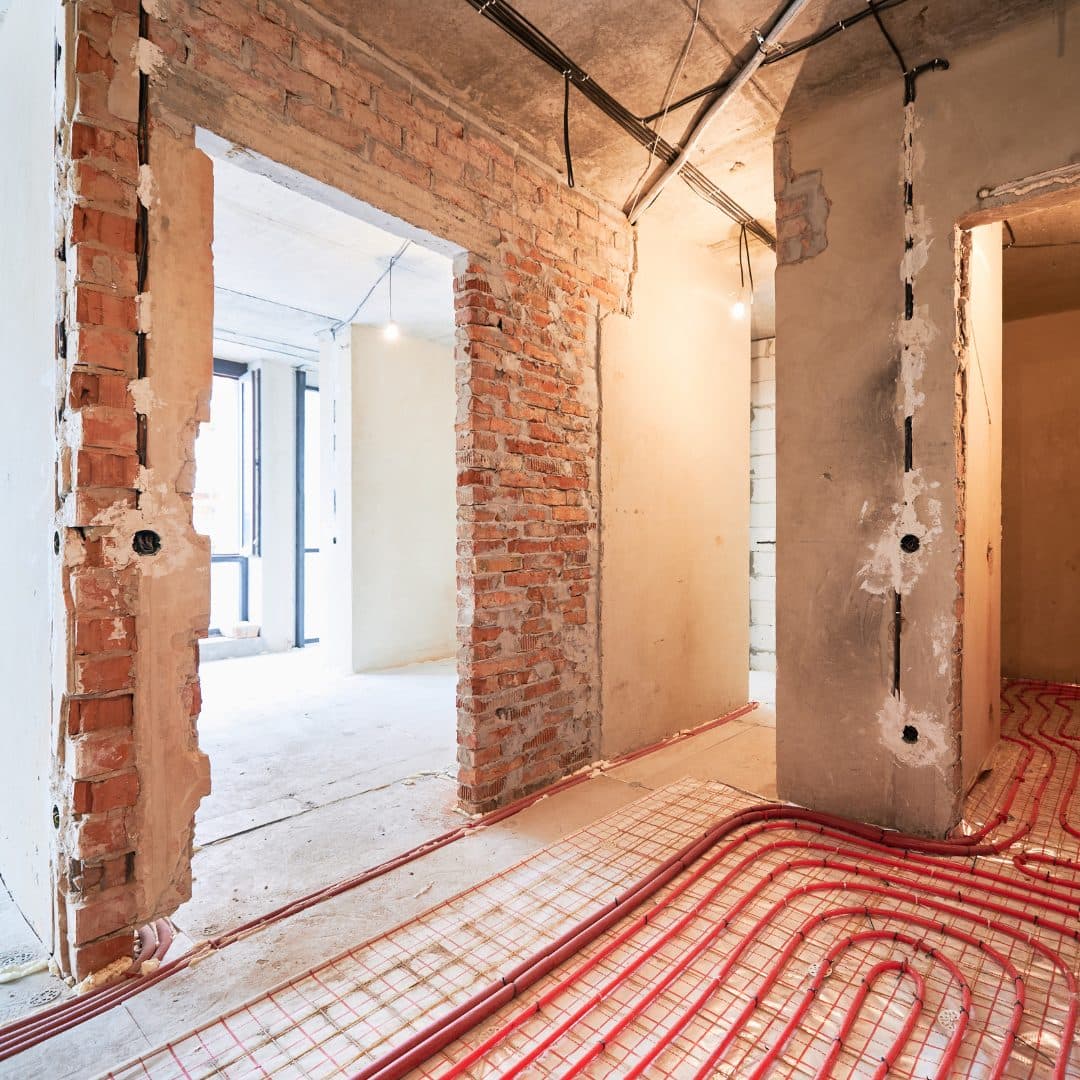
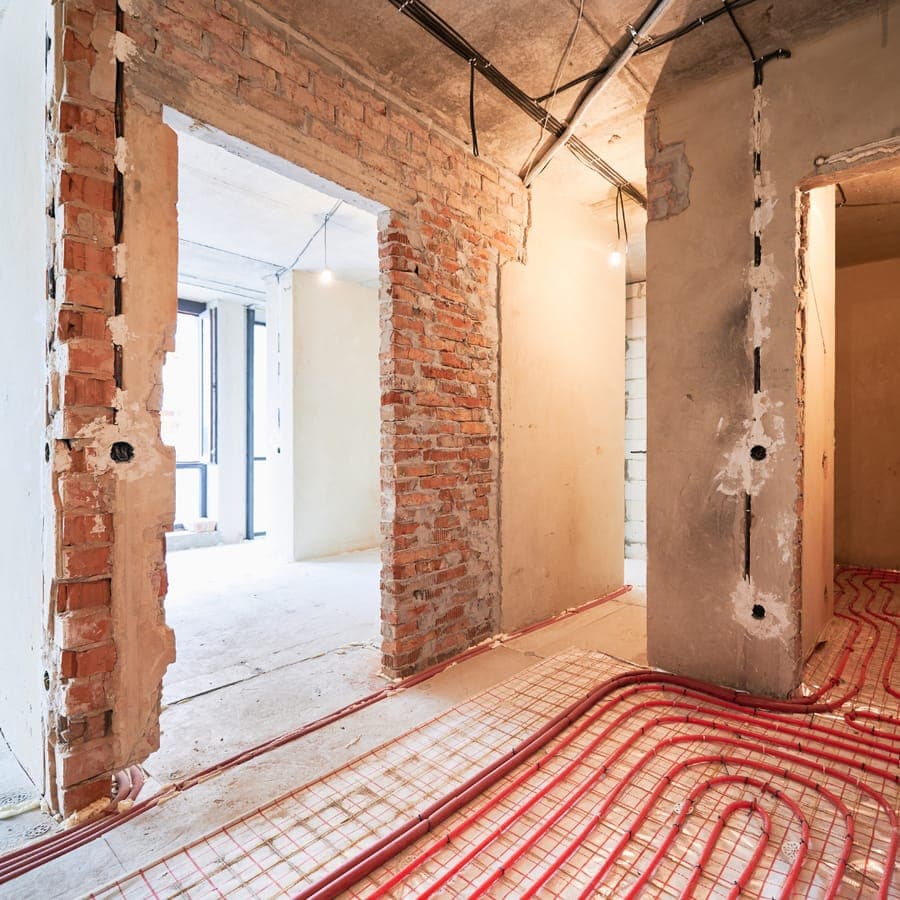
Water underfloor heating runs at low temperature and is the ideal emitter for a heat pump; photovoltaics supply part of the energy the whole system needs.
See underfloor heating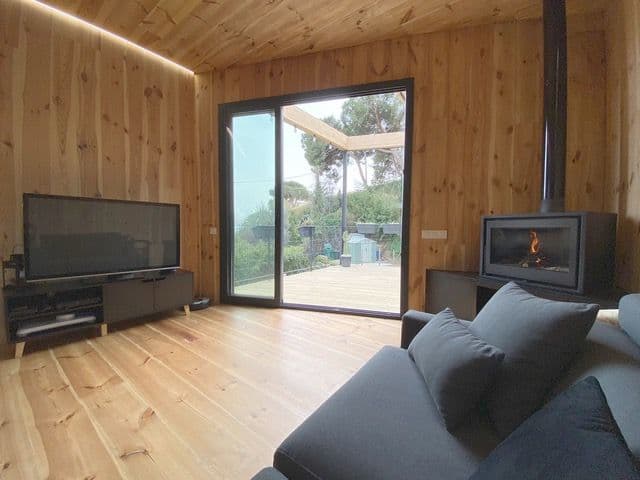
A heating fireplace with a back boiler warms the home's water while it is lit and can be combined with solar energy and other heat sources.
See wood-burning fireplacesInstallation
A well-planned solar panel installation starts by understanding how you use energy. Before fitting anything, we check:
The stages of a photovoltaic installation with Clima Difusión and Project Difusión.
We analyse consumption and the roof and define the system size, the panels and the inverter.
We mount the structure and the panels and run the wiring to the inverter and the consumer unit.
We connect the inverter and the protection devices, test the installation and start it up.
We follow the installation with preventive and corrective maintenance and after-sales service.
Maintenance
At Clima Difusión we are committed to a complete service that goes beyond installation. Our team carries out preventive and corrective maintenance that keeps photovoltaic systems efficient and extends their life, with tailored maintenance contracts for residential and commercial clients.
Routine maintenance of a solar installation means cleaning the panels when dirt or dust reduce output, checking the inverter and its alerts, inspecting connections, protection devices and the fixings of the structure, and monitoring production to spot any drop in time.
Grants
Grants for installing solar panels change with every call for applications and depend on where the home or business is. That is why we do not publish amounts: the right thing to do is check the current official sources when you ask for your quote.
Some calls require you to apply before the installation starts, so it is worth checking before you sign.
Quote
There is no single price: every installation is sized to the consumption and the roof. These are the factors that weigh most on the quote:
Tell us about your case and we will prepare a tailored, no-obligation quote.
We help you decide whether it suits you, at what size and in which self-consumption mode, and we take care of the installation from start to finish, together with Project Difusión.
FAQ
What people ask us most before installing solar panels, answered directly.
We handle the whole process, together with Project Difusión: the survey and initial design, fitting the structure and panels, connecting the inverter and protection devices, commissioning and after-sales service. We also offer preventive and corrective maintenance contracts for homes and businesses.
Photovoltaic panels produce electricity from sunlight and are used for self-consumption. Solar thermal panels heat water with the sun's heat, mainly for domestic hot water and to support heating. Thermodynamic panels work like a heat pump and also produce hot water, not electricity, even under cloud.
It depends on the system size and number of panels, the type of roof and mounting structure, the inverter, whether you add batteries and the paperwork for the self-consumption mode. That is why we do not give a fixed price without knowing your consumption and your roof: we prepare a tailored, no-obligation quote.
Yes. We offer preventive and corrective maintenance and after-sales service, with tailored maintenance contracts for residential and commercial clients. The aim is for the installation to stay efficient throughout its working life: cleaning the panels when needed, checking the inverter, the connections and the structure, and monitoring production.
It is usually a good combination, because a heat pump is one of the appliances that use the most electricity in a home and the panels can cover part of that consumption in daylight hours. How worthwhile it is depends on the heat pump's use during those hours, the size of the installation and how the home is used, so it is best assessed case by case.
It depends on the current calls for applications and the municipality. Check national programmes with IDAE, calls in Catalonia with the Catalan Energy Institute (ICAEN) and your town council, as some reduce property tax (IBI) or building works tax (ICIO) for self-consumption installations. We do not publish amounts because they change with every call.
There are three options. With export and compensation, the surplus goes to the grid and is credited on your bill. With batteries, it is stored for use at night. And with a zero-export set-up, an export-limiting device stops it from going out to the grid. The best option depends on when you use your electricity.
No. A grid-connected installation works without batteries: what you produce is used straight away and any surplus goes to the grid. Batteries make sense when a large share of your consumption is at night or when you want to use more of your own energy, but they add to the investment, so they are worth assessing with your figures.
Yes, although they produce less. Photovoltaic panels generate electricity from light, not heat, so they also work under cloud, with lower output. At night they do not produce anything: during those hours the building draws energy from the grid or from its batteries, if it has them.
Yes, through collective self-consumption: the installation goes on the building's roof and the energy is shared among the residents who take part. It needs the agreement of the residents' association and a survey of the shared roof. In a detached house, by contrast, the installation goes directly on the home's own roof.
Yes. In the commercial and industrial sector we install photovoltaic systems that make better use of energy and cut operating costs. Many businesses use most of their energy during the day, when the panels are producing, which means more of the energy generated is put to use. For companies we also offer specialised maintenance contracts.
Photovoltaic panels have a long working life, measured in decades, and manufacturers usually guarantee their output for many years. The inverter is the component most likely to be replaced first over the life of the installation. Regular maintenance helps keep production up and spot any fault in time.
We are in Barcelona
Call us or come and see us in Barcelona and tell us about your project: solar panels, heating and cooling or a fireplace. We will prepare a no-obligation quote.
We appreciate you confirming your visit to:
Service area
We work in Barcelona and across the province, the rest of Catalonia and Andorra.
Keep reading