
More than 30 years in the trade
A family business that has spent more than three decades installing heating, cooling and fireplaces in homes and businesses.
Family business

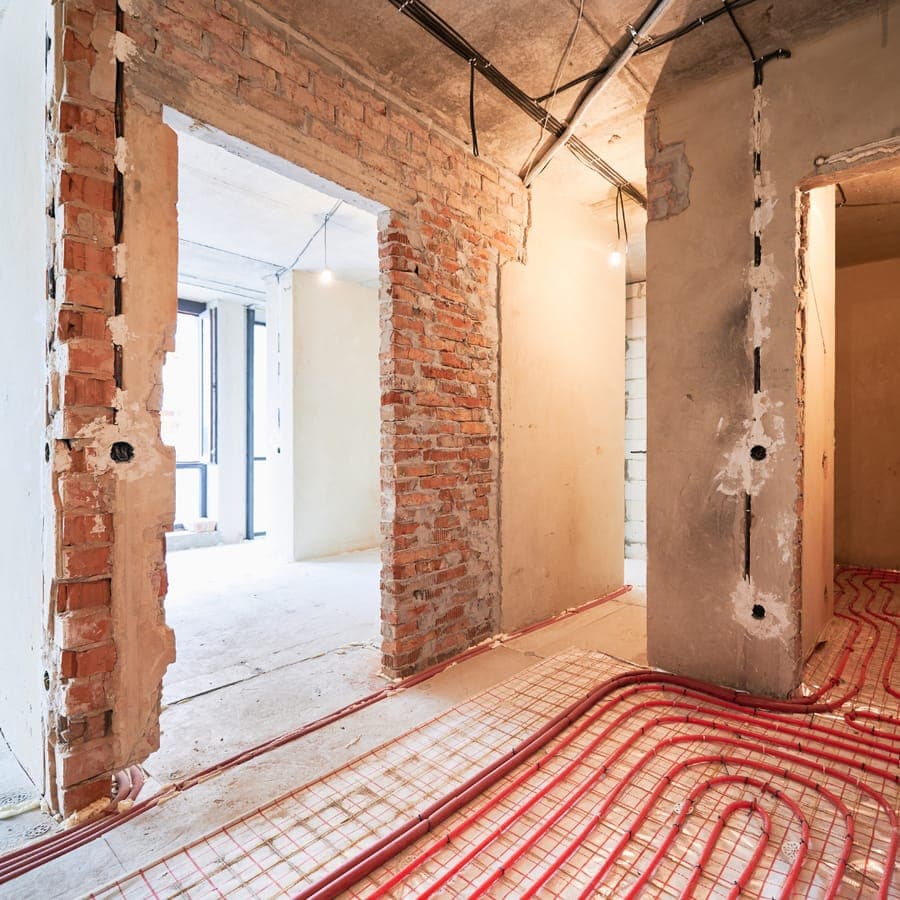
Water or electric · New builds and refurbishments
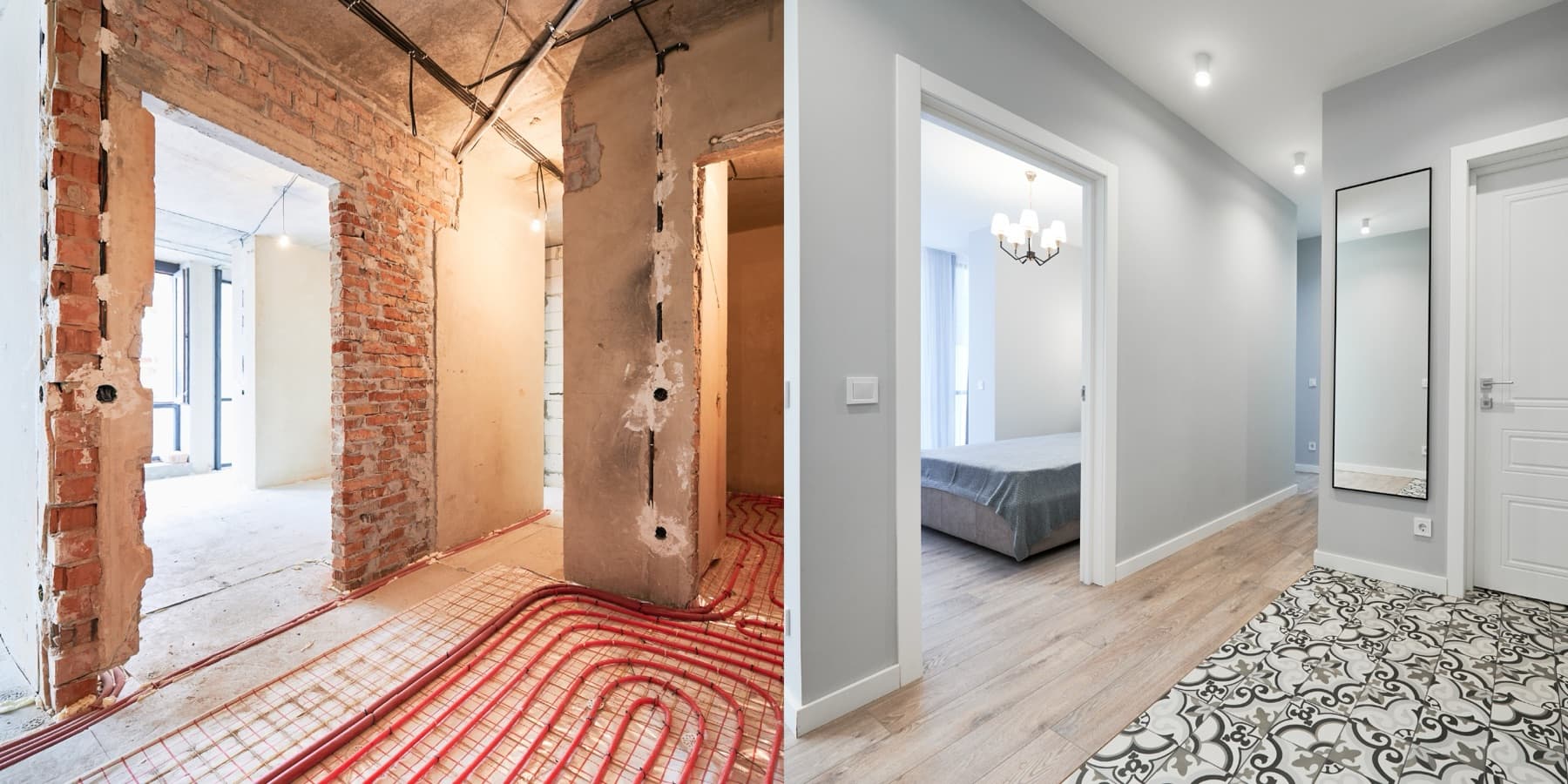
We install and maintain water and electric underfloor heating in homes and businesses: even warmth from the floor, walls free of radiators and, with a reversible heat pump, cooling in summer too.
Clima Difusión
Underfloor heating is a heating system that spreads warmth evenly through a network of plastic pipes or heating cables laid under the floor of your home or business premises. The heat rises from the whole floor, with no radiators on the walls and no draughts; and when it runs on a reversible heat pump, the same system also cools in summer.
At Clima Difusión we have been in the trade for more than 30 years, and we take care of the installation and maintenance of underfloor heating, both water-based and electric, in homes and businesses. We recommend it above all for new builds or refurbishments, when the floor is coming up anyway and the system can be designed from the start.
We look at the whole home's heating and cooling together: water underfloor heating can run on a gas boiler, an air-source heat pump or a ground-source heat pump, and it works well alongside air conditioning, solar panels or a heating fireplace.
Quick answer
Underfloor heating warms the home from the floor using water circuits or electric heating elements, with no radiators in sight. Water systems run on a boiler, an air-source or a ground-source heat pump and, with a reversible heat pump, can also cool. It suits new builds and refurbishments. At Clima Difusión we install and maintain it.
Updated: October 2026
| Types | Water-based (closed pipe circuit) or electric (heating cable or mat) |
|---|---|
| Heat sources for water systems | Gas boiler, air-source or ground-source heat pump; also a heating fireplace with a back boiler |
| Does it cool in summer? | Water systems do, with a reversible heat pump and humidity control; electric ones do not |
| When it makes sense | New builds or refurbishments, when the floor comes up |
| Water temperature | Low, well below that of a conventional radiator |
| Floor finishes | Ceramic and stone conduct best; wood only if rated for underfloor heating |
| Maintenance | Pressure, bleeding, manifold and heat source |
| Our service | Installation and maintenance, water and electric |
| Quote | No obligation, based on area, system and type of works |
Why Clima Difusión
A family business that has spent more than three decades installing heating, cooling and fireplaces in homes and businesses.
Family business
No single system is best for everything: we recommend the one that fits the floor area, the available height, the heat source and how the home is used.
We install and maintain both systems
Water underfloor heating works with a gas boiler, an air-source or a ground-source heat pump, and can be backed up by a heating fireplace with a back boiler.
Boiler, heat pump or heating fireplace
Heat comes from the whole floor surface: no cold spots, no radiators dictating the layout of the room and no fan noise.
No radiators in sight
Because it runs on low-temperature water, the system gets more out of condensing boilers and, above all, heat pumps.
Made to work with heat pumps
We check the circuit, the manifold and the heat source, and we offer maintenance contracts for heating and air-conditioning installations.
Maintenance contracts
How it works
Instead of heating the air from one spot, as a radiator does, underfloor heating turns the whole floor into a low-temperature heat emitter. The warmth rises evenly and spreads across the entire room, from your feet to your head.
In a water-based system, a heat source —a boiler, an air-source or a ground-source heat pump— heats the water in a closed circuit. A manifold sends it round several pipe loops, usually one per room, embedded in a layer of screed on top of an insulation panel. It is not the hot water from your taps: it is a separate heating circuit.
In an electric system, the heat comes from cables or heating mats laid under the floor finish and connected to a thermostat. It responds faster and the works are simpler, but it usually costs more to run.
A thermostat per zone controls each room. Because the floor stores heat, the system has inertia: it takes a while to warm up and then holds a steady temperature, so it performs best with continuous, well-programmed use.
Floor finish. Ceramic, stone or wood rated for underfloor heating.
Screed. Surrounds the pipes and spreads the heat evenly.
Circuit pipes. Water in a closed circuit, at low temperature.
Insulation panel. Holds the pipes and stops heat escaping downwards.
Edge strip. Takes up the expansion of the screed along the walls.
Slab. The base the whole system is built on.
Types
There are two main families of underfloor heating. The choice depends on the area you want to heat, the height the floor can take, the heat source available and how you will use the home.
This is the most widespread type. Water flows through plastic pipes under the floor at low temperature, which keeps consumption down and makes it an efficient, environmentally friendly option.
It needs a larger upfront investment and a little more floor height, which is why we recommend it for new builds or full refurbishments. It is the only type that can also cool, when paired with a reversible heat pump.
It uses heating cables or mats spread across the whole surface, under the floor finish. Installation is simpler and thinner, and the upfront investment is lower.
On the other hand, it uses more electricity, which can mean higher bills. It suits small or occasionally used areas —a bathroom, a bedroom— and refurbishments where the floor cannot be raised. It does not cool in summer.
| Feature | Water | Electric |
|---|---|---|
| How it produces heat | Hot water in a closed pipe circuit | Heating cables or mats |
| Energy source | Gas boiler, air-source or ground-source heat pump | Electricity |
| Upfront investment | Higher | Lower |
| Running cost | Lower, especially with a heat pump | Higher |
| Works | Thicker build-up: insulation panel, pipes and screed | Thin build-up; suits refurbishments |
| Cools in summer | Yes, with a reversible heat pump | No |
| Best suited to | Whole homes, new builds and refurbishments | Bathrooms, single rooms and partial refurbishments |
Heat sources
Underfloor heating is the emitter; another appliance produces the heat. These are the most common sources and what each one brings.
A natural gas boiler heats the water by burning gas and pumps it through the pipes. Condensing boilers make very good use of the low temperature underfloor heating needs.
A heat pump takes energy from the outside air to provide heating and, if it is reversible, cooling as well. It works with underfloor heating and with low-temperature radiators.
It draws heat from the ground through a loop of buried pipes, giving warmth in winter and cooling in summer. It is one of the most efficient sources, but it needs a ground collector.
A wood-burning fireplace with a back boiler heats water while it is lit and can feed that heat into the circuit, combined with another back-up source.
See wood-burning fireplacesHeat pumps
An air-source heat pump with underfloor heating is a very common pairing in new builds, and there is a technical reason for it: a heat pump performs better the lower the water temperature it has to produce, and underfloor heating is precisely the emitter that runs at the lowest temperature.
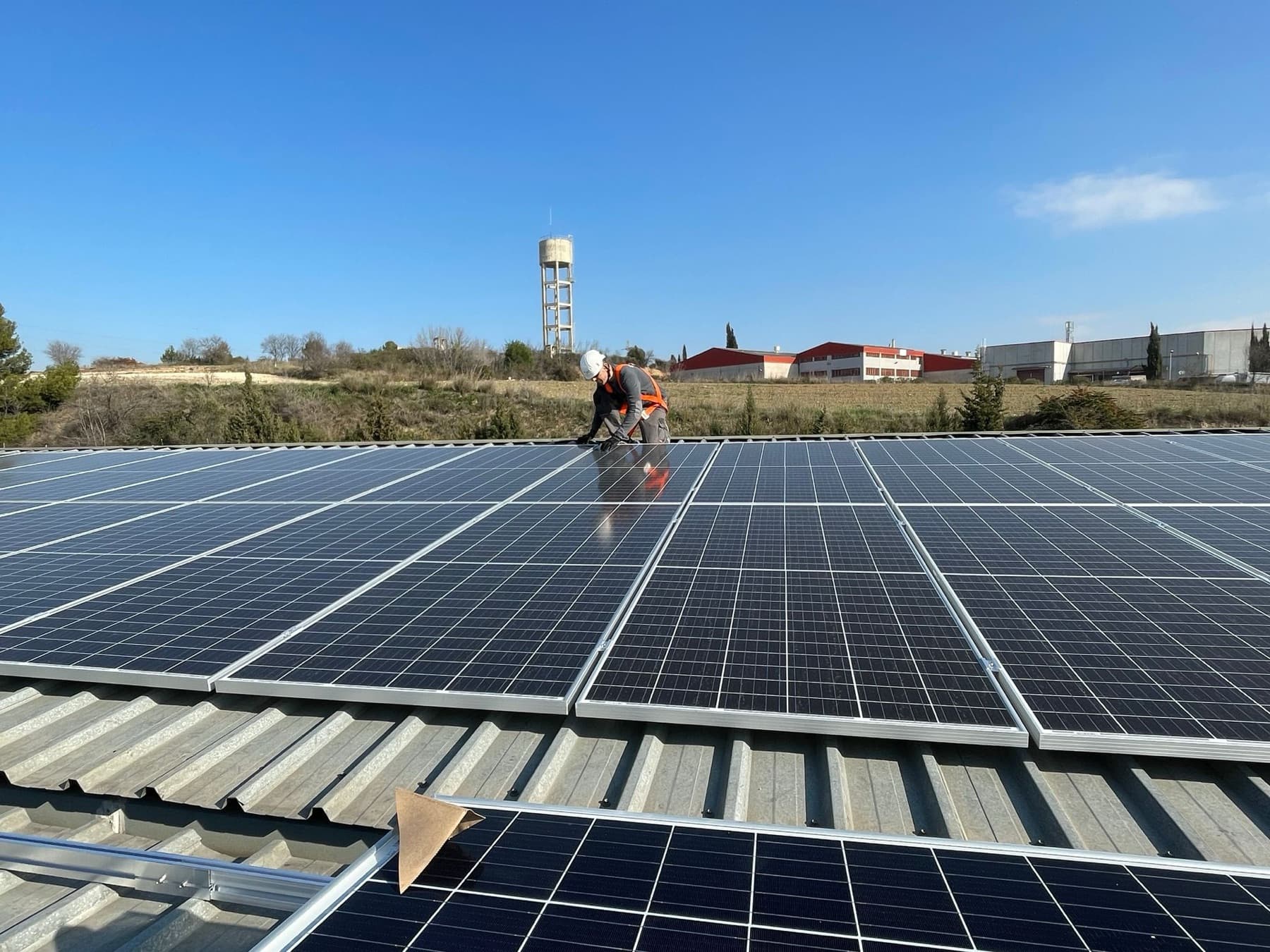
If the heat pump is reversible, the same circuit provides heating in winter and gentle cooling in summer. And if the home has solar panels, part of the electricity the heat pump uses can come from your own roof.
Does it pay off compared with a gas boiler? It depends on the home's insulation, the floor area, how it is used and energy prices at the time. We do not quote generic savings figures: we assess it with the details of your project before recommending one option or the other.
Heating and cooling
Underfloor cooling circulates cool water through the same pipes in summer. It needs a reversible source —an air-source or ground-source heat pump— and controls that keep the water above the dew point, so that no condensation forms on the floor.
Not quite. Underfloor cooling lowers the temperature gently and quietly, with no draughts, but it does not dehumidify. On very humid days or in rooms with a lot of sun, it is often combined with air conditioning or a dehumidifier.
Electric underfloor heating only heats: it cannot cool. If you want heating and cooling from a single system in the floor, the option is water underfloor heating with a reversible heat pump.
New build or refurbishment
Underfloor heating installation is simplest when it is planned from the design stage: in a new build, the height of the insulation, pipes and screed is allowed for, and the heat source is chosen at the same time.
It can also go into a refurbishment, especially if the floor is being lifted. The available height —doors, stairs, thresholds with other rooms—, the condition of the slab and the insulation all need checking. Where height is very tight there are low-profile systems, and electric underfloor heating is an alternative for specific rooms.
If you are planning a full refurbishment, now is the time to decide: once the new floor is down, it no longer makes sense.
| Aspect | Underfloor heating | Radiators |
|---|---|---|
| Heat distribution | Even, from the whole floor | From specific points on the wall |
| Water temperature | Low | Higher with conventional radiators |
| Wall space | Clear walls | Take up wall space under windows or in hallways |
| Works | The floor has to be lifted or raised | Hung on the wall; minor works |
| Response | Slow and steady; ideal for continuous use | Fast; useful for intermittent use |
| Cooling in summer | Possible, water-based with a reversible heat pump | No |
| With a heat pump | The natural pairing | Better with low-temperature radiators |
Underfloor heating and fireplaces
Underfloor heating keeps a steady temperature throughout the home; a fireplace or stove adds quick heat and a visible fire. They complement each other.
Heating fireplaces go one step further: they include a back boiler or water jacket that heats up with normal use of the fireplace and can feed the radiators or the underfloor heating. We install them combined with other energy sources, such as gas, heating oil, solar energy, ground-source heat or pellets.
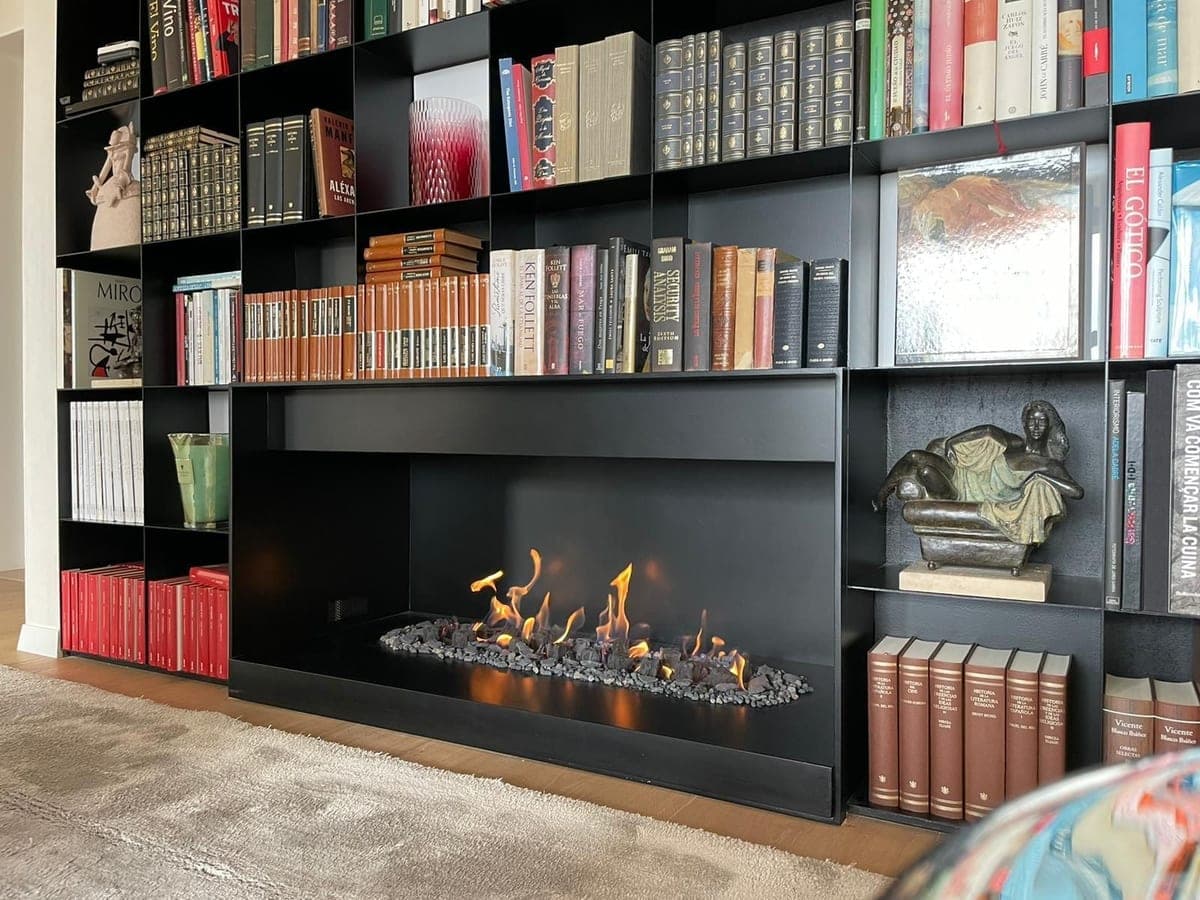
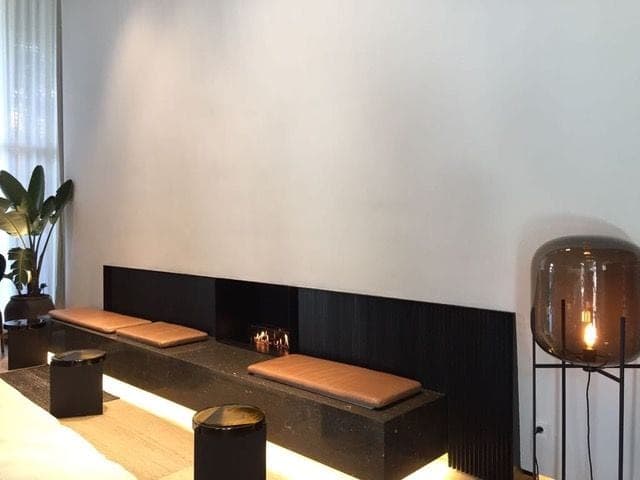
These are some of the fireplaces and stoves we have installed. You can see more in our wood-burning fireplace portfolio.
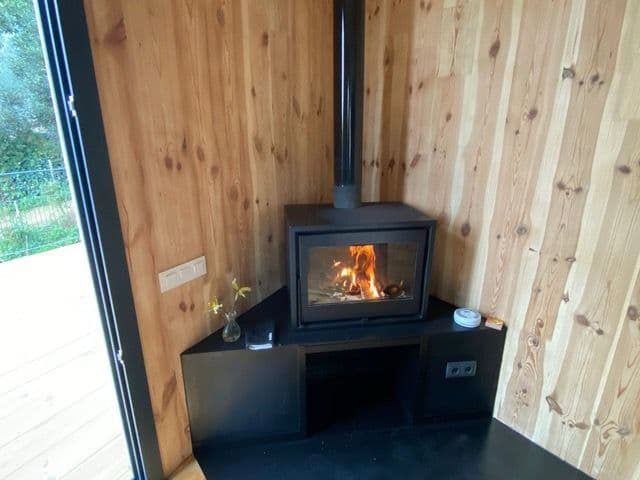
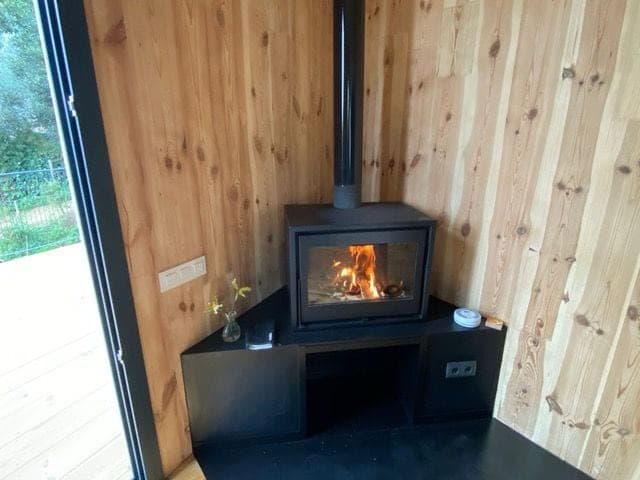
Cassette-type stove on a made-to-measure iron base, set in a corner with a front view of the fire.
See the project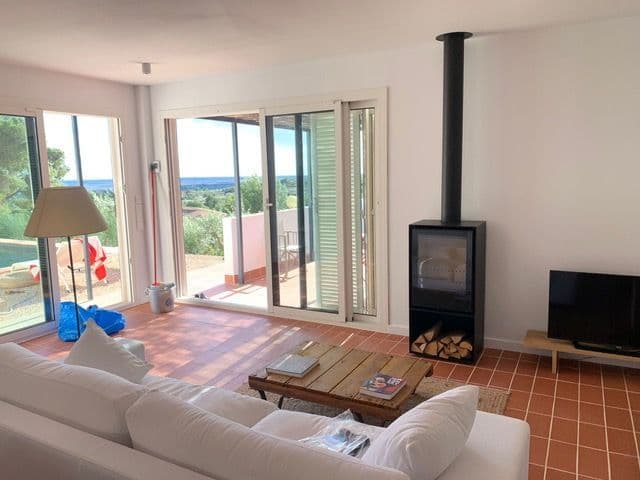
Wood-burning stove with a log store underneath, in a living room with terracotta floor tiles that opens onto the terrace, with the flue pipe left on show.
See the project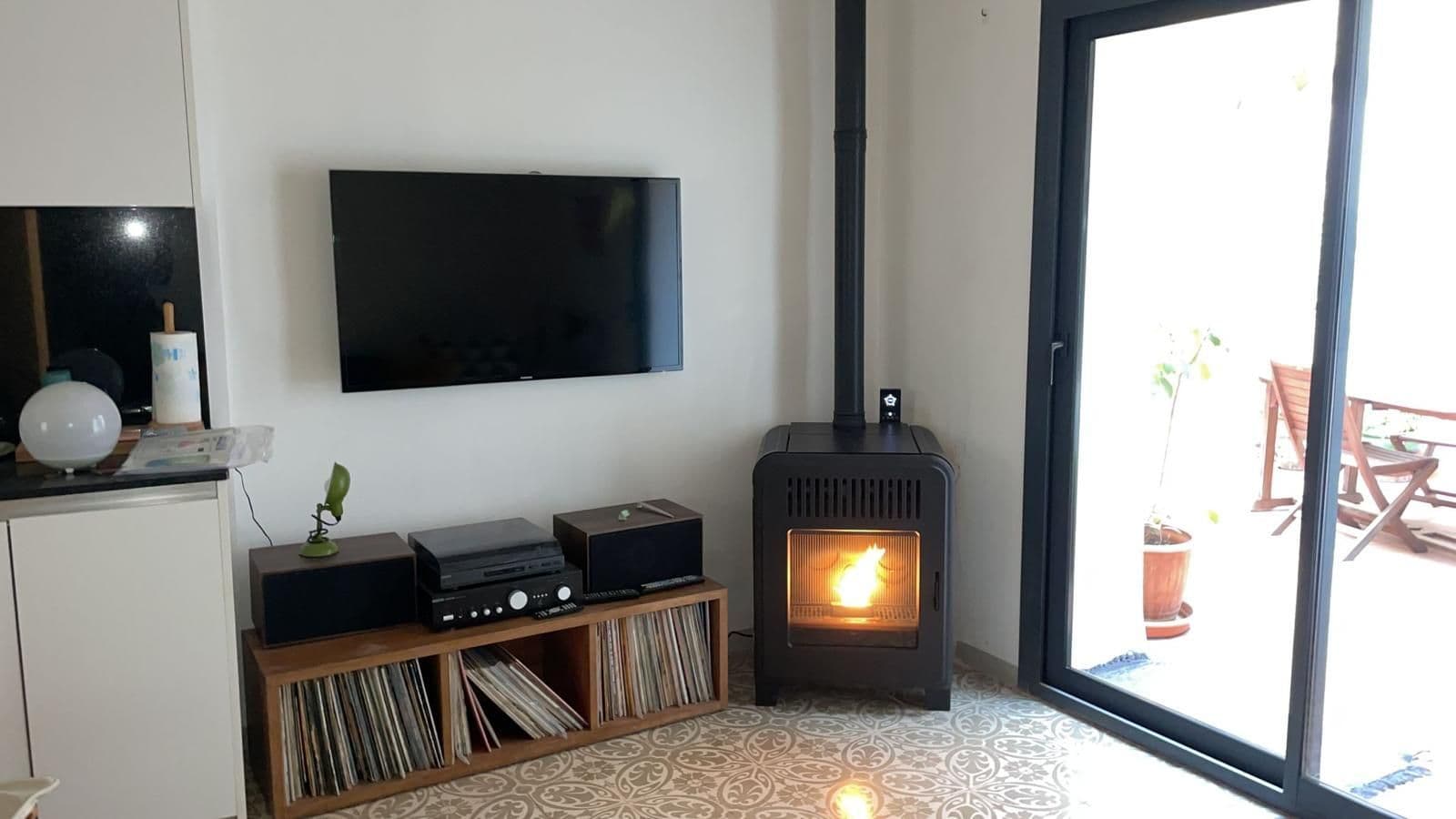
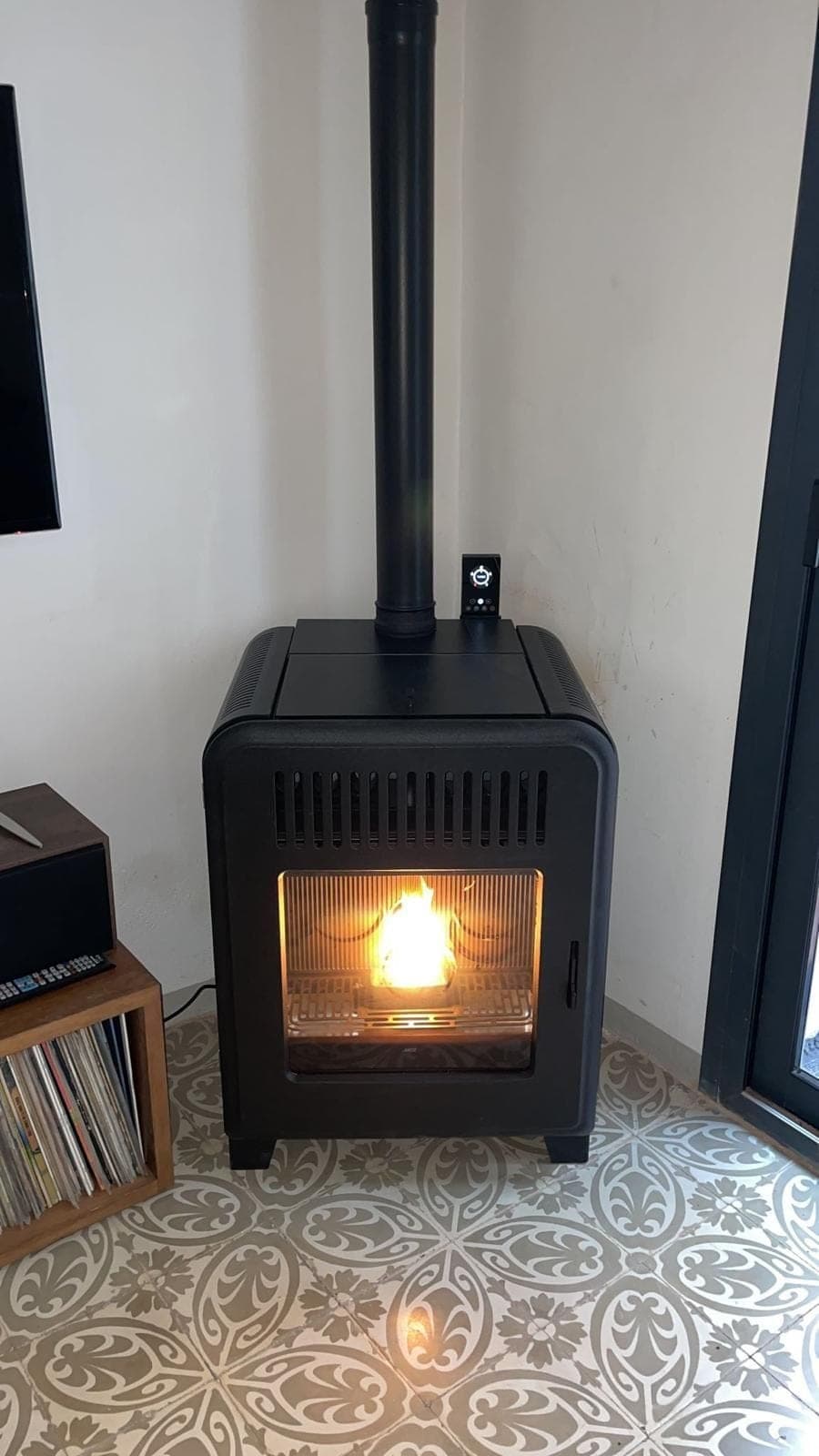
A pellet stove is run from a remote or a control panel, much like an air-conditioning unit, and heats one or two rooms.
See the projectInstallation
A good underfloor heating installation starts before the first pipe is laid: with the design of the circuits and the preparation of the base.
The area to be heated and how each room is used determine the number of circuits and thermostat zones.
How much the floor can be raised, the level of the slab and the thresholds with doors and stairs decide the system.
Whether it will run on a boiler, a heat pump, ground-source heat or electricity, and whether cooling is wanted in summer.
The finish must be suitable for underfloor heating: ceramic and stone conduct heat better than thick wood or rugs.
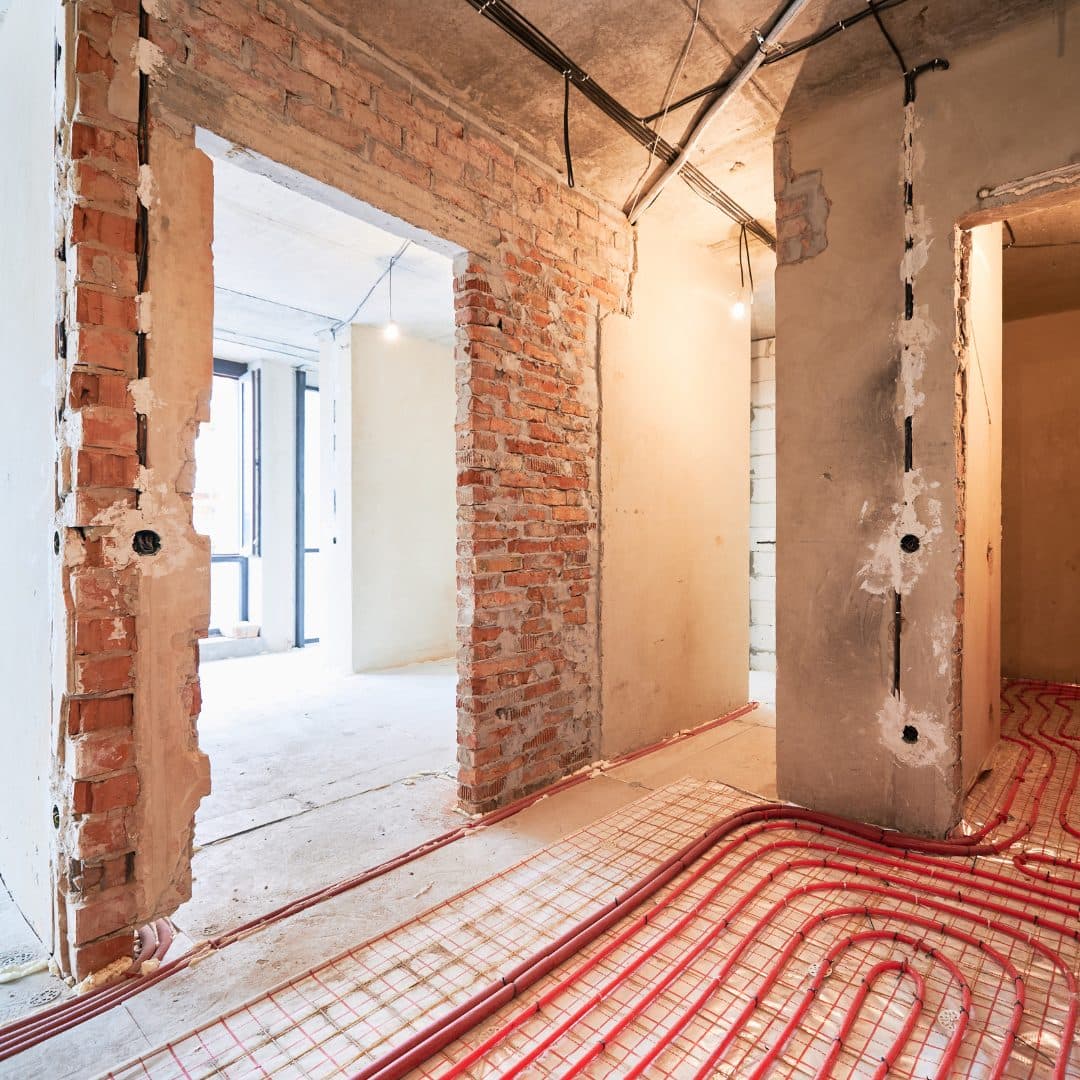
These are the usual stages of the works, from the base to the first start-up.
The slab is cleaned and levelled, then the edge strip and the insulation panel are laid.
The pipes are laid on the panel and connected to the manifold, usually one circuit per room.
The circuit is pressure-tested for leaks and the screed that covers the pipes is poured.
Once the screed has cured, the floor finish goes down and the system is started gradually, with the thermostats connected.
Maintenance
Maintaining water underfloor heating is simple, but it should not be forgotten: check the circuit pressure, bleed out air, check the manifold and the flow in each circuit, and keep the heat source serviced, whether it is a boiler or a heat pump.
Over the years, sludge can build up in some circuits, reducing the flow of water and leaving a room cooler than the rest. Underfloor heating power flushing means pushing water under pressure and a cleaning agent through each circuit, then adding an inhibitor that protects the installation.
Electric underfloor heating needs hardly any maintenance beyond checking the thermostats. For heating and air-conditioning installations we offer maintenance contracts: ask us about yours.
Quote
We do not give a fixed price per square metre without seeing the project, because two installations with the same area can be very different. These are the factors that move it most:
With these details we prepare a no-obligation quote tailored to your project.
It is the best moment to decide on heating: with the floor open, underfloor heating goes in without redoing anything. Tell us about the project you have in hand and we will advise you on the system that fits best.
FAQ
The questions we are asked most often about underfloor heating, answered directly.
Underfloor heating turns the floor into a low-temperature heat emitter. In a water system, a boiler or a heat pump heats the water in a closed circuit, which a manifold sends through pipes under the floor; in an electric system, heating cables or mats provide the heat. The warmth rises evenly across the whole room.
Water systems need more works and a larger upfront investment, but they cost less to run, especially with a heat pump, and they can cool in summer. Electric systems go in with a thinner build-up and cost less at the start, but they use more electricity and only heat. Water suits whole homes; electric suits bathrooms or individual rooms.
Yes, if it is water-based and connected to a reversible heat pump, air-source or ground-source: in summer cool water runs through the same pipes. The temperature has to be controlled so it never reaches the dew point, to avoid condensation. The cooling is gentle and does not dehumidify, so it is sometimes combined with air conditioning. Electric systems do not cool.
It depends on the floor area, the type of system (water or electric), the heat source, whether it is a new build or a refurbishment and the controls you want in each room. That is why we do not give a price per square metre without seeing the project: with those details we prepare a tailored, no-obligation quote.
Yes, especially if the refurbishment is already lifting the floor. The available height, the condition of the slab and the thresholds with doors and stairs need checking. Where height is tight there are low-profile systems, and electric underfloor heating is an alternative for specific rooms. Ideally, decide at the start of the works, before choosing the floor finish.
If the floor is coming up, underfloor heating gives more even warmth, keeps the walls clear and runs at low temperature, which suits a heat pump. Radiators need fewer works and respond faster, better for intermittent use. In a full refurbishment with a new floor, underfloor heating is usually the more comfortable choice; in a partial one, radiators.
Often yes, because a heat pump performs better with the low-temperature water underfloor heating needs and, if it is reversible, it also cools in summer. But it depends on insulation, floor area, use and the prices of electricity and gas. We do not quote generic savings figures: we assess it with the details of your home.
A ground-source heat pump uses the stable temperature underground through a loop of buried pipes and is one of the most efficient sources for underfloor heating, in winter and in summer. In return, it needs a ground collector, with boreholes or buried loops, and a high upfront investment. It makes sense for houses with land, new builds or major refurbishments.
Water systems need the pressure checked, air bled out, the manifold and flows checked and the heat source serviced. Power flushing is done when built-up sludge reduces the flow of water: each circuit is cleaned with pressurised water and a specific cleaning agent, and an inhibitor is added. Electric underfloor heating needs hardly any maintenance.
It is the distributor of a water system: it takes water from the heat source, sends it round the different circuits, usually one per room, and collects the return. It usually sits in a recessed cabinet and lets you balance the flow in each circuit, bleed out air and shut off zones. The thermostats act on it to control each room.
The best option is a programmable thermostat per room or zone that acts on the manifold actuators. Because the floor has a lot of inertia, it is better to programme steady schedules than to switch on and off often. If the system also cools, you need controls with a humidity sensor to prevent condensation on the floor.
Yes. Heating fireplaces include a back boiler or water jacket that heats up with normal use of the fireplace and can feed radiators or underfloor heating, combined with other sources such as gas, heating oil, solar energy, ground-source heat or pellets. For underfloor heating, a buffer tank is usually added to store the heat, along with a mixing valve that brings the water down to the temperature the floor needs.
The best heat conductors are ceramic, porcelain and natural stone. Wood, engineered boards or laminate can also be laid, as long as the manufacturer rates them for underfloor heating and they are thin. Thick rugs and highly insulating floor finishes reduce performance, because they hold back the heat on its way into the room.
We are in Barcelona
Call us or come and see us in Barcelona and tell us about your project: underfloor heating, air conditioning, solar panels or a fireplace. We will prepare a no-obligation quote.
We appreciate you confirming your visit to:
Service area
We work in Barcelona and across the province, the rest of Catalonia and Andorra.
Keep reading